
Advocacy Work
OTHER RESOURCES
TCEQ Wastewater Permit Guide • 2025 Legislative Report • TCEQ Wastewater Permit Process
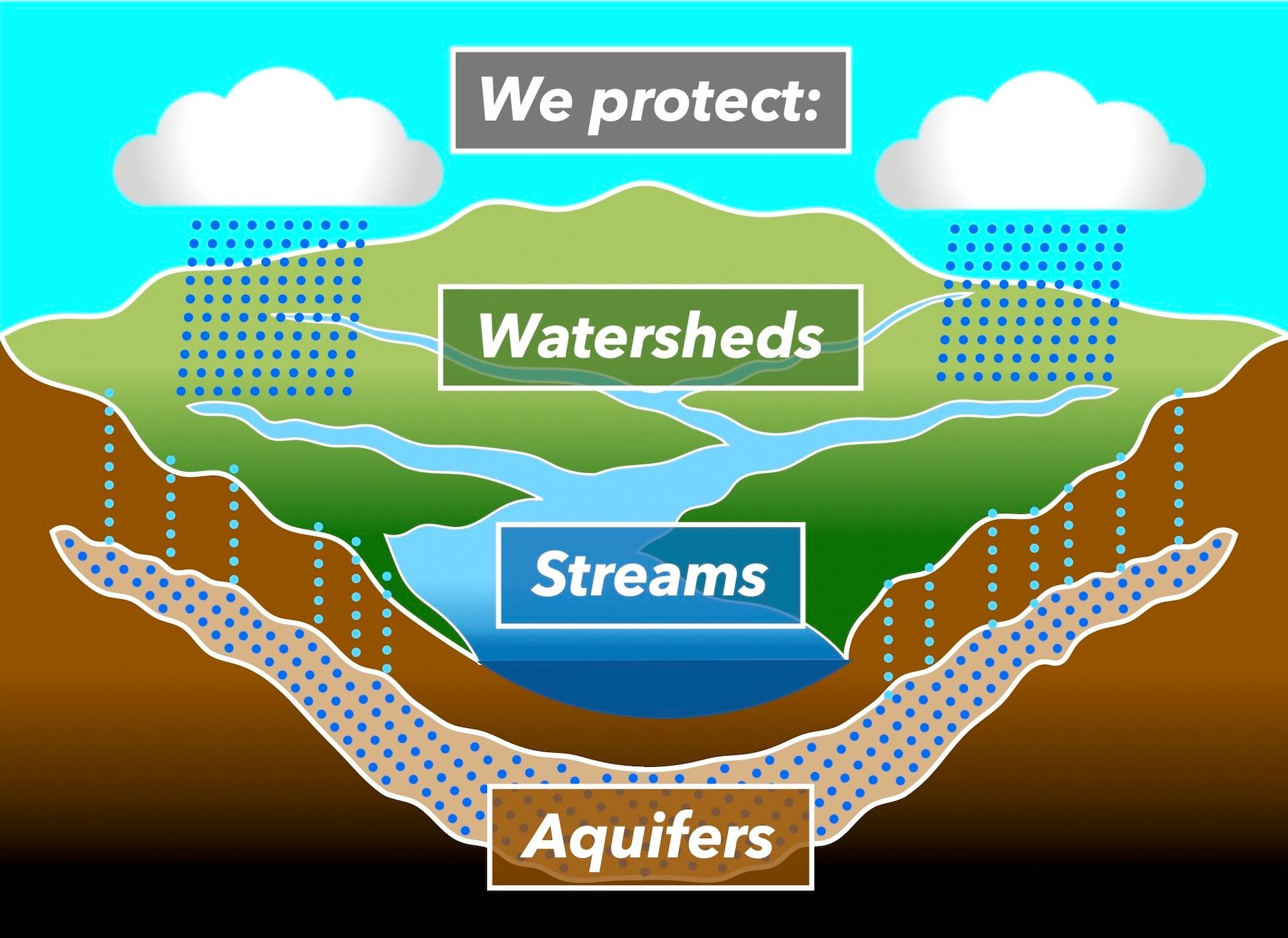
Water issues have been at the heart of our advocacy work at Save Texas Streams since our founding in 1979. Our efforts are centered on both water quality, which means preventing pollution, and water quantity, which means maintaining supply. Water quality can be threatened by wastewater (also called sewage), especially when it’s discharged into pristine streams, and by stormwater (also called runoff) when it picks up contaminants from hard surfaces like roofs and roads. Our water supply comes from surface water in streams and lakes, and groundwater stored in aquifers. Streams and aquifers are mainly filled by rain runoff that flows over land. The drainage area that contributes runoff to a specific stream or aquifer is called a watershed.
Save Texas Streams works to protect the quality and quantity of the surface water in streams, the underground water in aquifers, and the surrounding land in watersheds.
Stream Protection
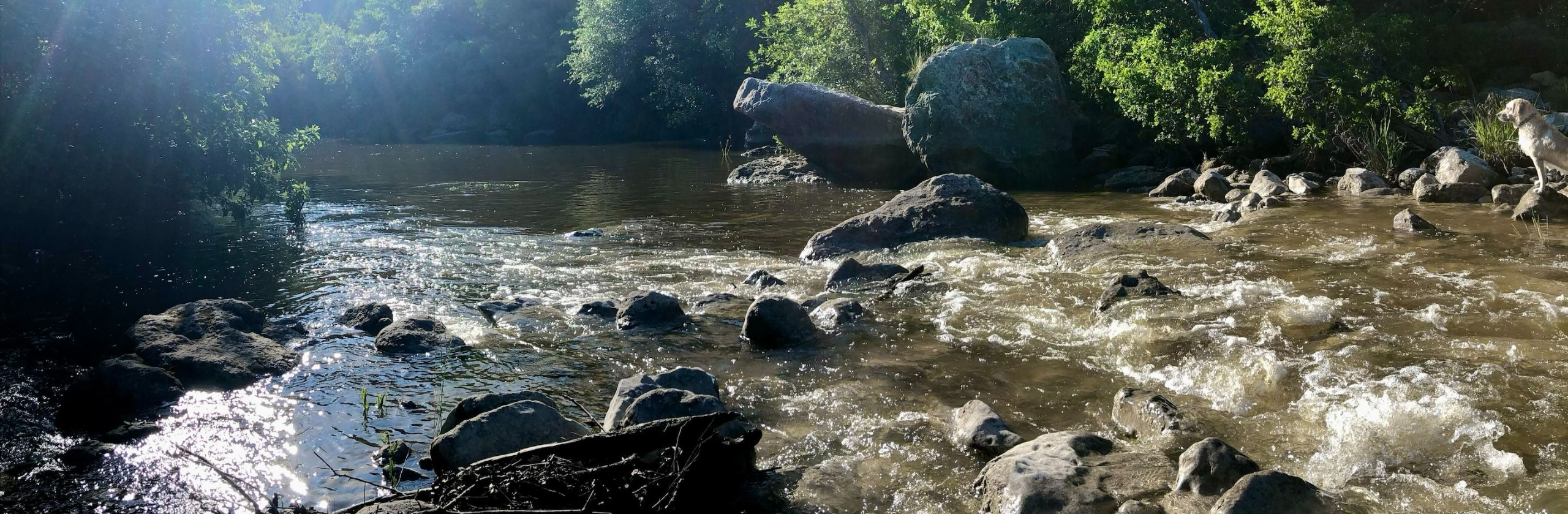
The water in streams and lakes is called surface water, and it accounts for most of the water that Texans use. Surface water rights are managed by the state's river authorities. Treated wastewater (sewage) is the main threat to water quality in many streams. Wastewater treatment facilities operate under permits issued by the Texas Commission on Environmental Quality (TCEQ). The requirements in many wastewater permits are insufficient to prevent pollution in pristine streams, which are especially sensitive to the phosphorus that remains in wastewater after treatment. Stormwater (runoff) is the other main threat to water quality in streams, and is discussed in our section on Watershed Protection.
Aquifer Protection
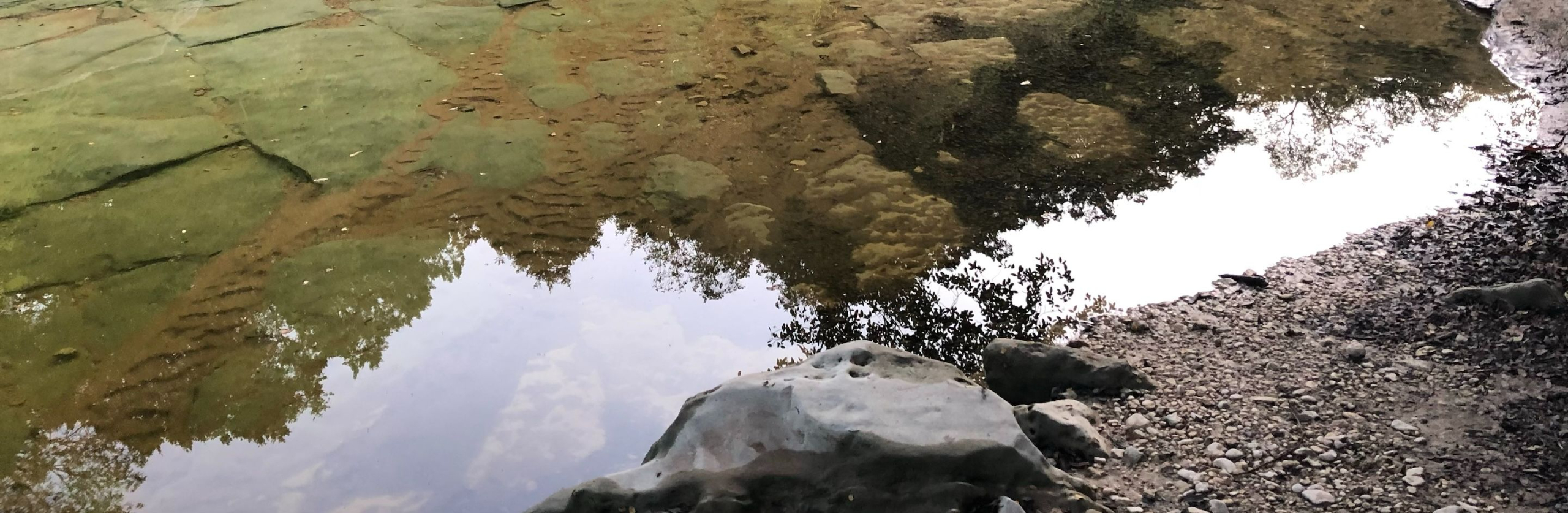
Many Texans rely on groundwater pumped from wells drilled into aquifers. Most wells operate under drilling permits and pumping permits issued by Groundwater Conservation Districts (GCDs). These districts often lack sufficient data on how much water is available in their aquifer. They also often lack sufficient authority to regulate how many wells can be drilled and how much groundwater can be pumped.
Watershed Protection
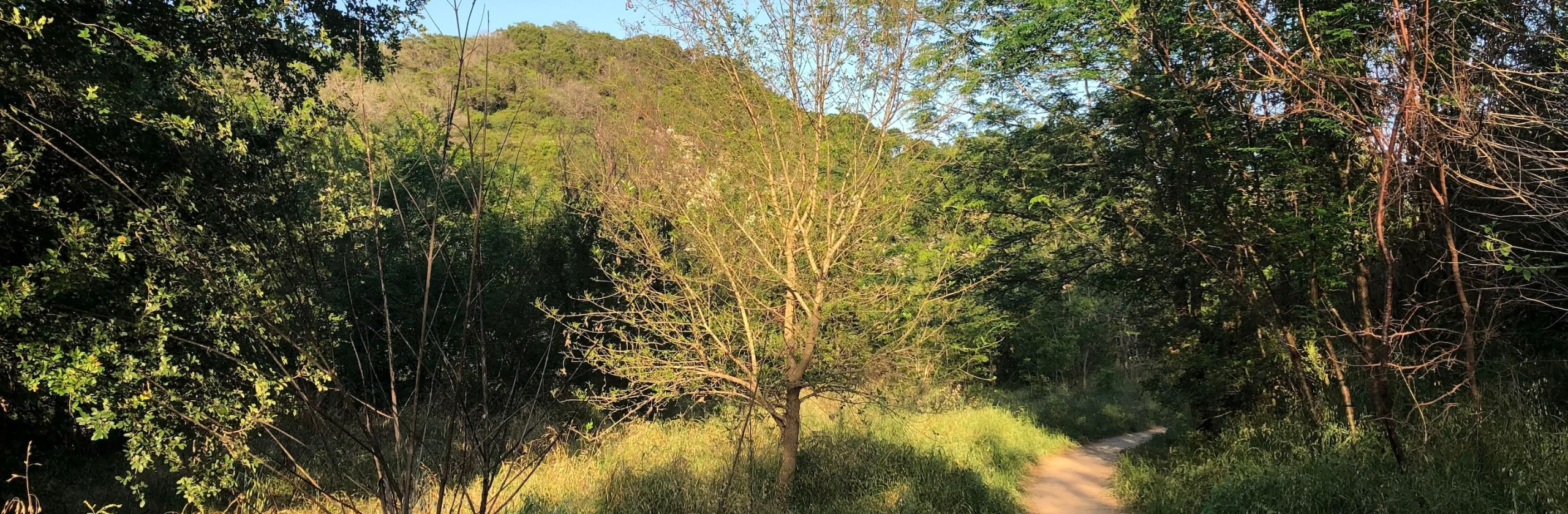
Keeping the water in streams and aquifers clean also requires keeping the land in their watersheds clean. When rain runoff flows over hard surfaces like roofs and roads, it washes away pollutants on those surfaces, which creates stormwater pollution. When buildings and roads are constructed in sensitive areas such as riparian zones and recharge zones, stormwater pollution can contaminate streams and aquifers. These problems can be avoided with land conservation, impervious cover limits, and nature-based solutions, including green infrastructure.

Government Policy
Save Texas Streams frequently works with local landowners in their challenges to wastewater permit applications submitted to TCEQ. Because the agency's procedures can be confusing or obscure, we provide a Guide to TCEQ's Wastewater Permit Process and a Guide to Finding Wastewater Permit Information. We also actively follow water bills at the Texas Capitol, and we evaluated the most recent ones in our report on the 2025 Legislative Session. We submit formal comments on many permit applications and policy issues, and they are collected on our STS Statements page.