
TCEQ’s Permit Process
These are the major stages in the Texas Commission on Environmental Quality's (TCEQ) process for wastewater permit applications, as well as for most other permit applications. The draft permit is the most significant step. Generally, TCEQ's staff issues a draft permit for most applications that it receives, and generally, TCEQ's commissioners approve most draft permits without changes. Exceptions are rare.
1) An entity files an application for a wastewater permit with TCEQ. The agency issues a NORI public notice (Notice of Receipt of Application and Intent to Obtain Permit).
2) TCEQ posts the application and related material online in a PDF document called the Admin Package on the Pending Wastewater Permits webpage: https://www.tceq.texas.gov/permitting/wastewater/pending-permits
3) TCEQ's staff writes a draft permit.
4) TCEQ posts the draft permit and related materials online in a PDF called the Tech Package on the Pending Wastewater Permits webpage: https://www.tceq.texas.gov/permitting/wastewater/pending-permits
5) TCEQ issues a NAPD public notice, which generally marks the start of the official 30-day public comment period (NAPD = Notice of Application and Preliminary Decision). TCEQ's staff will respond to all public comments about the draft permit that are submitted during this period.
6) TCEQ may hold a public meeting on the draft permit if one is requested by a state legislator in the area affected by the proposed permit. Sometimes the public meeting is scheduled in advance and is held at the end of the 30-day comment period. Sometimes the hearing is scheduled later, and the comment period is extended accordingly.
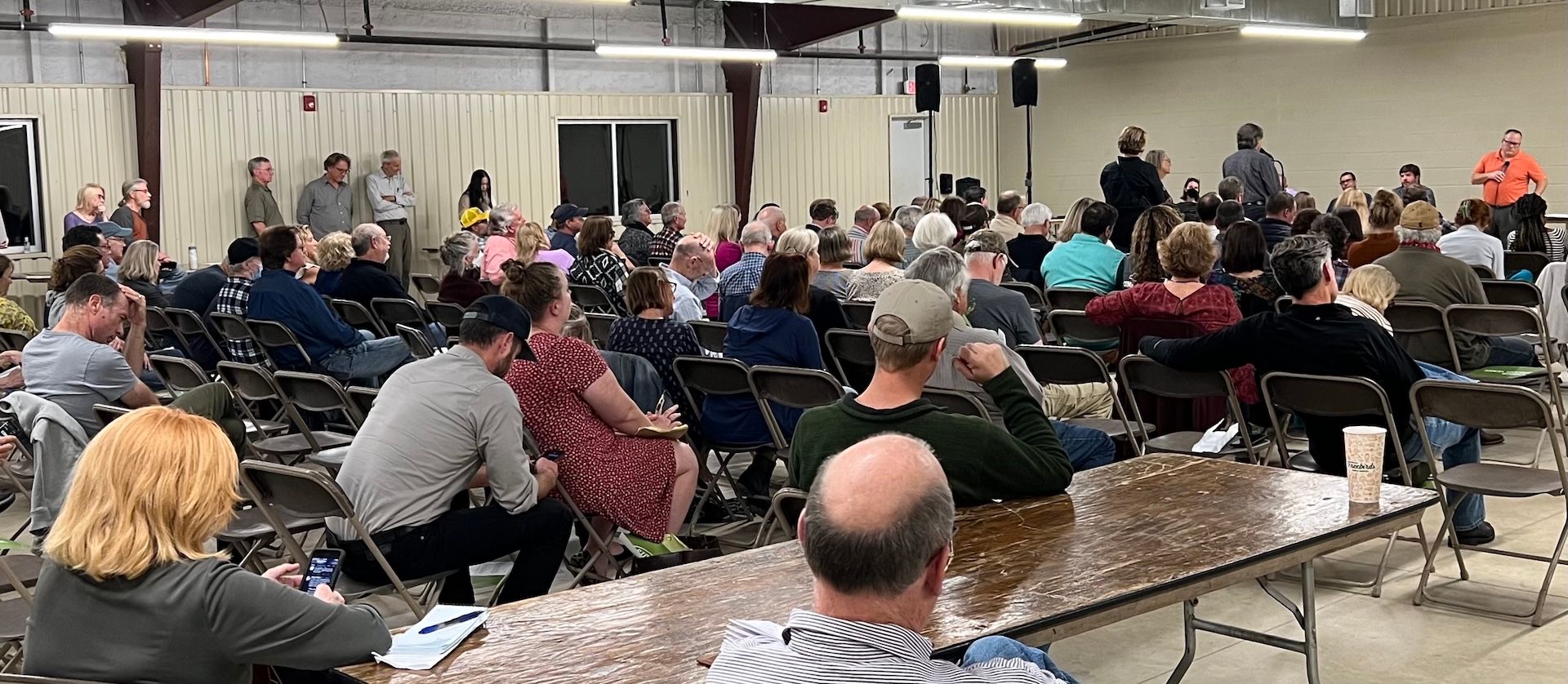
TCEQ held a public meeting in 2023 on the wastewater permit for the Fitzhugh Concert Venue.
7) TCEQ's staff prepares and releases an official Response to Comments (RTC).
8) At this point, only individuals who submitted comment during the official public comment period can request a contested case hearing, in which an administrative law judge will conduct a further review of the draft permit.
9) TCEQ commissioners vote to approve or deny hearing requests by affected parties. Historically, the commissioners have only approved requests by landowners located within 1 mile of the outlet for a proposed wastewater facility. On very rare occasions, they have sometimes included landowners located at a greater distance, or non-landowners with a compelling interest (such as recreational users of the stream on which the permit would be located).
10) A judge in the State Office of Administrative Hearings (SOAH) holds a contested case hearing on the draft permit. The landowners who were approved as affected parties, the applicant, and TCEQ's staff can present evidence and testimony in support of their positions. Hearings generally last 1-3 days.
11) After the hearing is over, the SOAH judge issues their recommendations in a Proposal for Decision (PFD). TCEQ's commissioners are not required to accept the judge's recommendations.
12) TCEQ commissioners vote on whether to approve the draft permit — as written by the agency's staff, with the SOAH judge's recommended changes, or with their own changes. If they vote to approve the draft pemit, it becomes an active permit.
Need more information about the permit process? Watch this 2023 webinar, presented by environmental attorney Lauren Ice, which we co-sponsored with the Hill Country Alliance and the Greater Edwards Aquifer Alliance: youtube.com/watch?v=EvAf5xyVhzw