Even though Central Texas has gotten some rain recently, it’s still in drought. According to the National Oceanic and Atmospheric Administration’s drought reduction calculator, the Hill Country needs to get 21.6 inches of precipitation over the next 6 months for the drought to end. That’s almost three times as much as the region’s average rainfall, which is why NOAA (the official U.S. weather agency) says that the Hill Country only has a 2.6% chance of getting out of drought by December.
Leaders of the Texas Legislature pledged to tackle the state's water problems in this year's session, and while they passed several important bills, many other worthwhile measures died. Out of 18 key water-related bills that SBCA tracked this session, the Legislature only passed 6 before it adjourned for good on June 2.
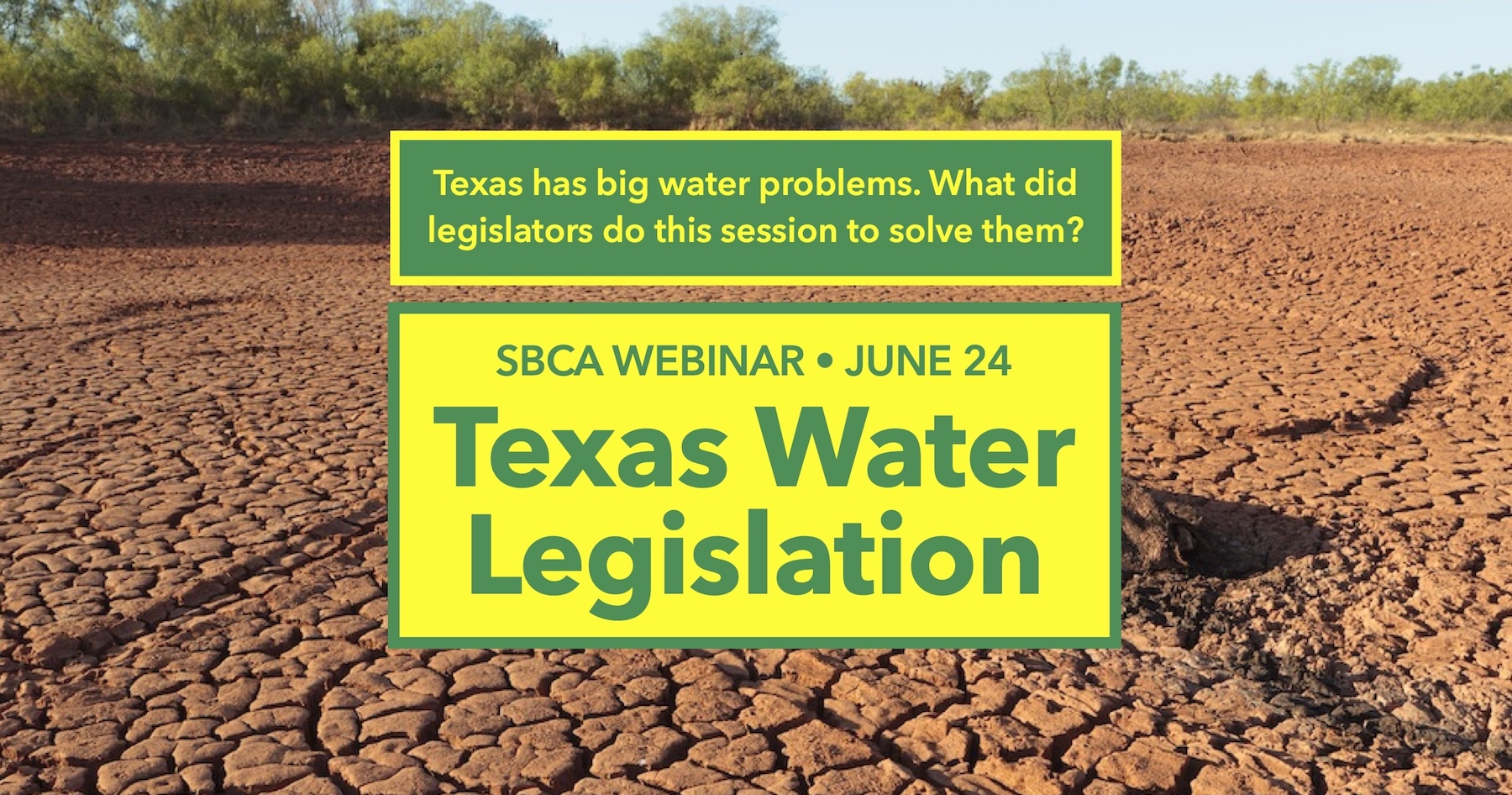
Which bills passed, and why? Find out on June 24 when SBCA holds a Zoom webinar to review the legislative session that just ended. Brian Zabcik, our advocacy director, and Lee Burton, our executive director, will discuss how and why some water-related bills succeeded, while others failed. They’ll also give a preview of SBCA’s plan to get the Pristine Streams bill re-filed when the Legislature meets again in 2027. This webinar is free and open to the public, but please register in advance to get the Zoom link:
SBCA Webinar on Texas Water Legislation
June 24, Tuesday, 11am-12pm
Presented by Brian Zabcik & Lee Burton
Register here for Zoom link
You can also learn more about our water outlook by watching the recordings for two recent webinars by the Greater Edwards Aquifer Alliance (GEAA) and the Texas Hill Country Conservation Network (THCCN). Robert Mace, the executive director of the Meadows Center for the Water and the Environment at Texas State University, delivered the May lecture for GEAA’s Water Wonks series. And last week, Paul Bertetti with the Edwards Aquifer Authority spoke at THCCN’s Drought Update webinar. SBCA is a member of both GEAA and THCCN.
GEAA Water Wonks Lecture: watch here
“The Future of Water in the Hill Country” by Robert Mace:
THCCN Drought Update: watch here
“Conditions in the Edwards Aquifer Region” by Paul Bertetti
Still want more drought information? Check out the very comprehensive Drought Dashboard on the Water Data For Texas website, compiled by the Texas Water Development Board.
Tell Governor Abbott: Sign SB 1253!
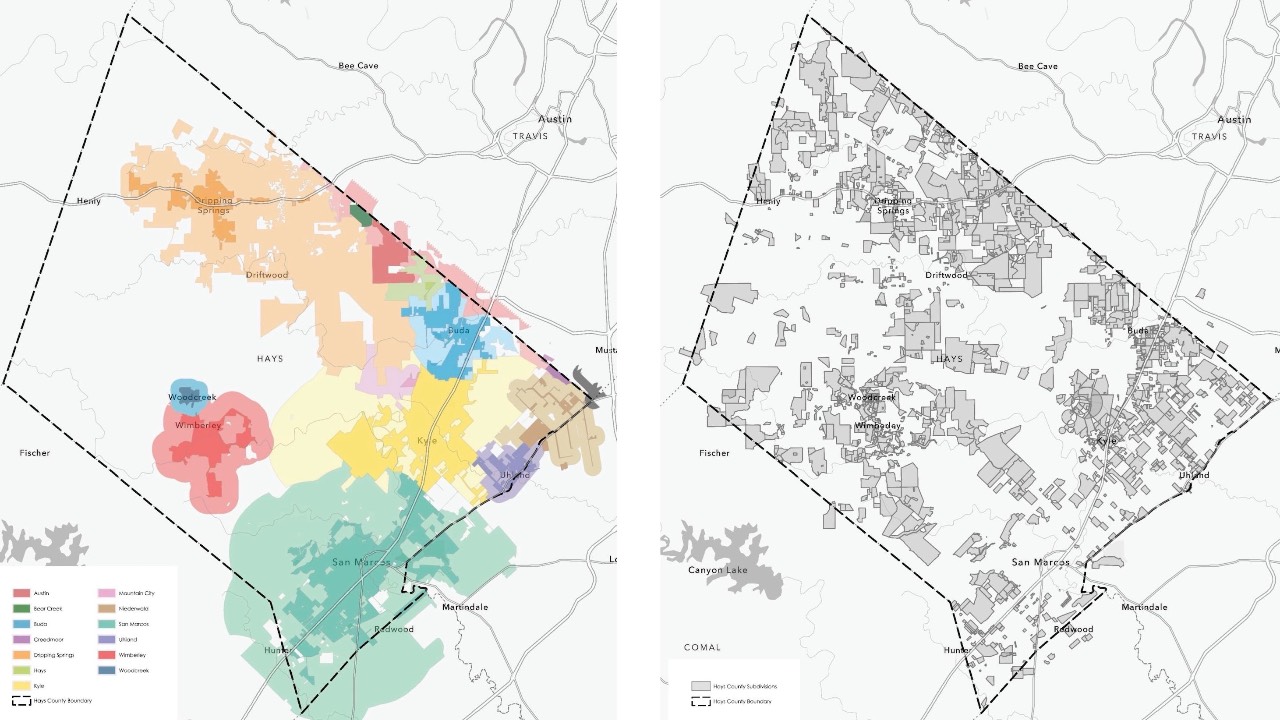
We’ve told you before about Senate Bill 2660, which would give the Hays Trinity Groundwater Conservation District the power it needs to adequately manage the water supply for its customers. While SB 2660 wasn’t passed as a standalone bill, its provisions were added as an amendment to Senate Bill 1253, which was passed by the Legislature and is now waiting for Governor Abbott to sign it into law. But powerful special interests are continuing to oppose any new authority for the Hays Trinity GCD.
That’s why SBCA’s partners at The Watershed Association and the Trinity Edwards Springs Protection Alliance (TESPA) are asking the public to tell Governor Abbott to sign SB 1253. You can submit comments by going to the Opinion page on the Governor’s website, located here: gov.texas.gov/apps/contact-us/opinion. After filling in your personal information, select “Legislature” in the drop-down menu under “Issue.”
You can learn more in this SB 1253 explainer by the Watershed Association, but here’s the bottom line: Every other groundwater conservation district (GCD) in Texas has the authority to charge usage fees that are based on the amount of water that large wells pump out of the ground. The more water that’s pumped, the higher the total fee. Without this, well owners would be able to keep pumping as much water as they wanted — for free. Aqua Texas has been doing exactly that with a well that serves the community of Woodbridge in western Hays County. That’s because when the Hays Trinity GCD was established by the Legislature, it wasn’t given the authority to charge usage fees.
Not surprisingly, Aqua Texas doesn’t want to give up its free water deal. The opponents to SB 1253 have spread mistruths about what the bill would do. Hays Trinity GCD will not levy taxes on exempt wells, it will not meter private domestic or livestock wells, and it will not ban bulk water sales for well owners who comply with their permits.